LALIS Research & Internships
LALIS Student Research Symposium
The department hosts the LALIS Student Research Symposium to encourage students near the completion of their studies to showcase their research, writing, and knowledge base.
As a graduation requirement, all LALIS majors share an original project in the form of a 10-minute presentation in Spanish. Research topics have ranged from AI in science fiction to the voseo of Chilean Spanish to issues affecting the LatinX population of Richmond.
Activism in Research: Climate Justice, Gender Violence, and Feminist Worldbuildings
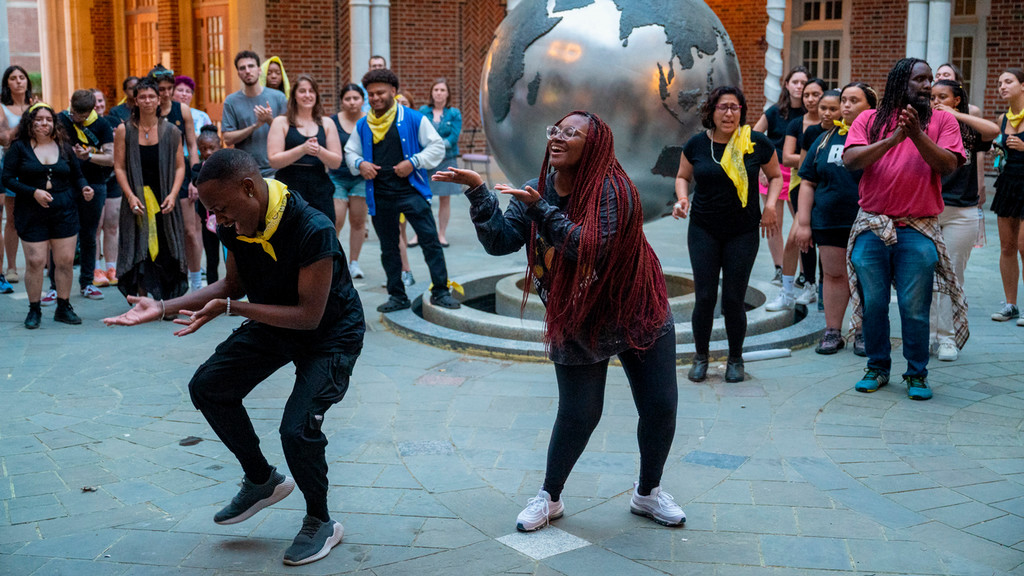
Feminist Decolonial Worldbuilding: This digital archive records seven years of activism at the University of Richmond by students in classes taught by Mariela Méndez. Documentation includes photos, videos, and written materials, that document students’ work on gender-based violence and climate injustice on campus.
Students from LALIS and Gender & Sexuality Studies are integrating the processes behind activist organizing on campus, the embodied experiences of participants in the five interventions archived, and the historical context of the campus spaces engaged by students. A first iteration of this work was presented at the 2026 A&S and the LALIS Symposia, and the next steps will consist of incorporating work from Latin American academic spaces. Contact Dr. Mendez for more information.
Class Projects: Investments and Language Podcasts
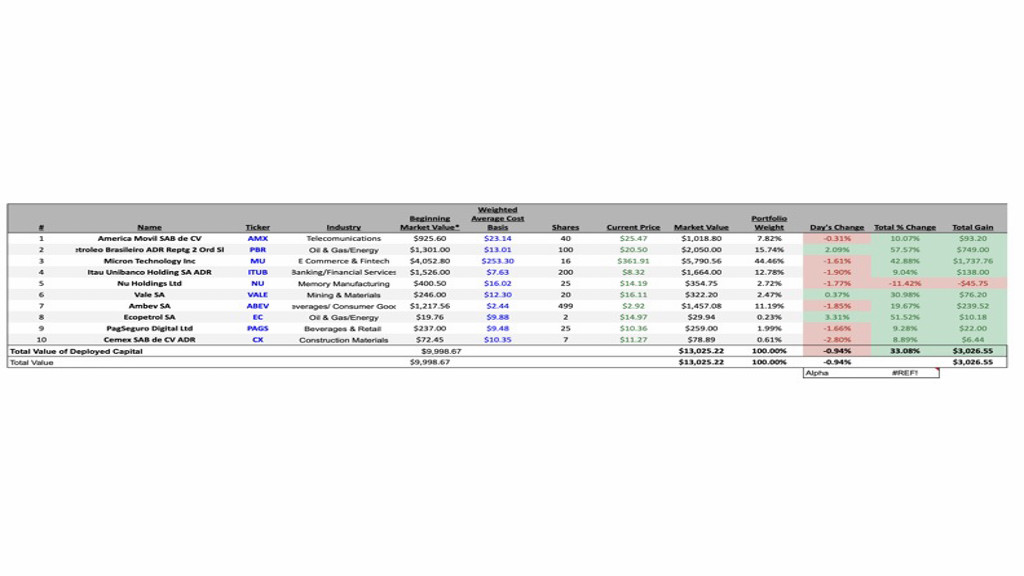
Aurora Hermida-Ruíz infuses her courses with hands-on research. In LAIS 306 Spanish in Business, students use play money and invest in companies based in Latin America and Spain across four different market sectors, competing with other student teams for maximum returns. Students in the Spanish-English Contrasts course research changes to the Spanish language and present their findings as podcast episodes. Listen to Episocio 7 de Español en marcha: Diminutivos Mixdown. Contact Dr. Hermida-Ruiz for more information.
Second Language Learning Lab
Students work with Elizabeth Kissling on two projects related to learning second languages: Cognitive Linguistics-based explanations of tricky topics in Spanish grammar (like the subjunctive mood) and cognitive aptitudes for learning tricky Spanish sounds. Students collect data in the lab and analyze data during the academic year and summer.
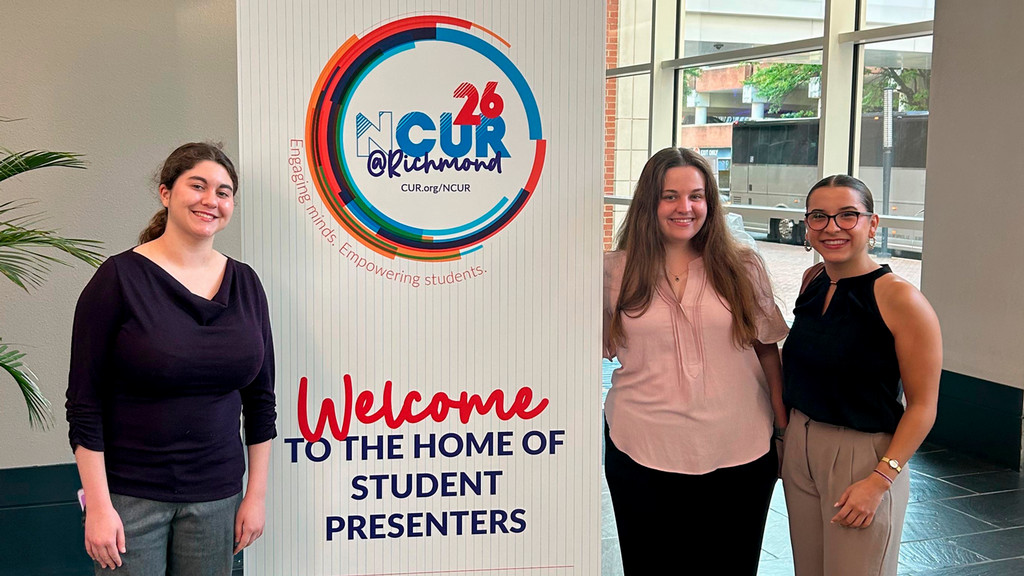
In recent years, students have been paid for being RAs during the academic year and have earned summer fellowships for their summer work. They have presented their work at national and international conferences like NCUR and SCT Working Group. Contact Dr. Kissling for more information.

Humanities in Medicine
Students work with Karina Vázquez on research projects that bridge the medical sciences and the humanities. They acquire training in qualitative research and field work, develop research literacy, and conduct original research in English and Spanish, mainly with ethnographic and interview-based methodologies.
Students present their projects on campus and at national conferences. For example, Rachel Vandersea presented her project “Stories from Healthcare Providers: Narratives Behind Service” at the National Conference on Undergraduate Research (NCUR). Contact Dr. Vázquez for more information.
Generational Language Change
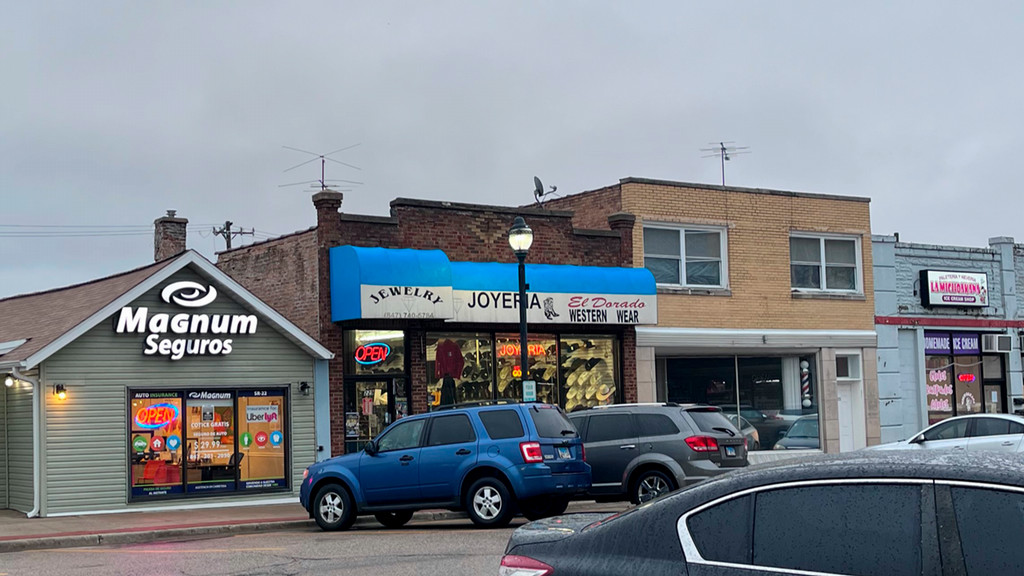
LALIS students who grew up speaking Spanish at home in the US partner with David Giancaspro to conduct original research on the Spanish of their own home communities. The research focuses on how US-born Spanish speakers produce, understand, and sometimes even reinvent complex verb forms such as the subjunctive or the present perfect. In recent collaborative projects, Dr. Giancaspro and his students have explored Mexican Spanish in Round Lake, Illinois, Honduran Spanish in Northern Virginia, and Guatemalan Spanish in Trenton, New Jersey. Contact Dr. Giancaspro for more information.

Funding Student Research
Students can seek funding during the academic year or over the summer through two Arts & Sciences opportunities, as well as travel funding to present their work at conferences.
Faculty Research Highlights